
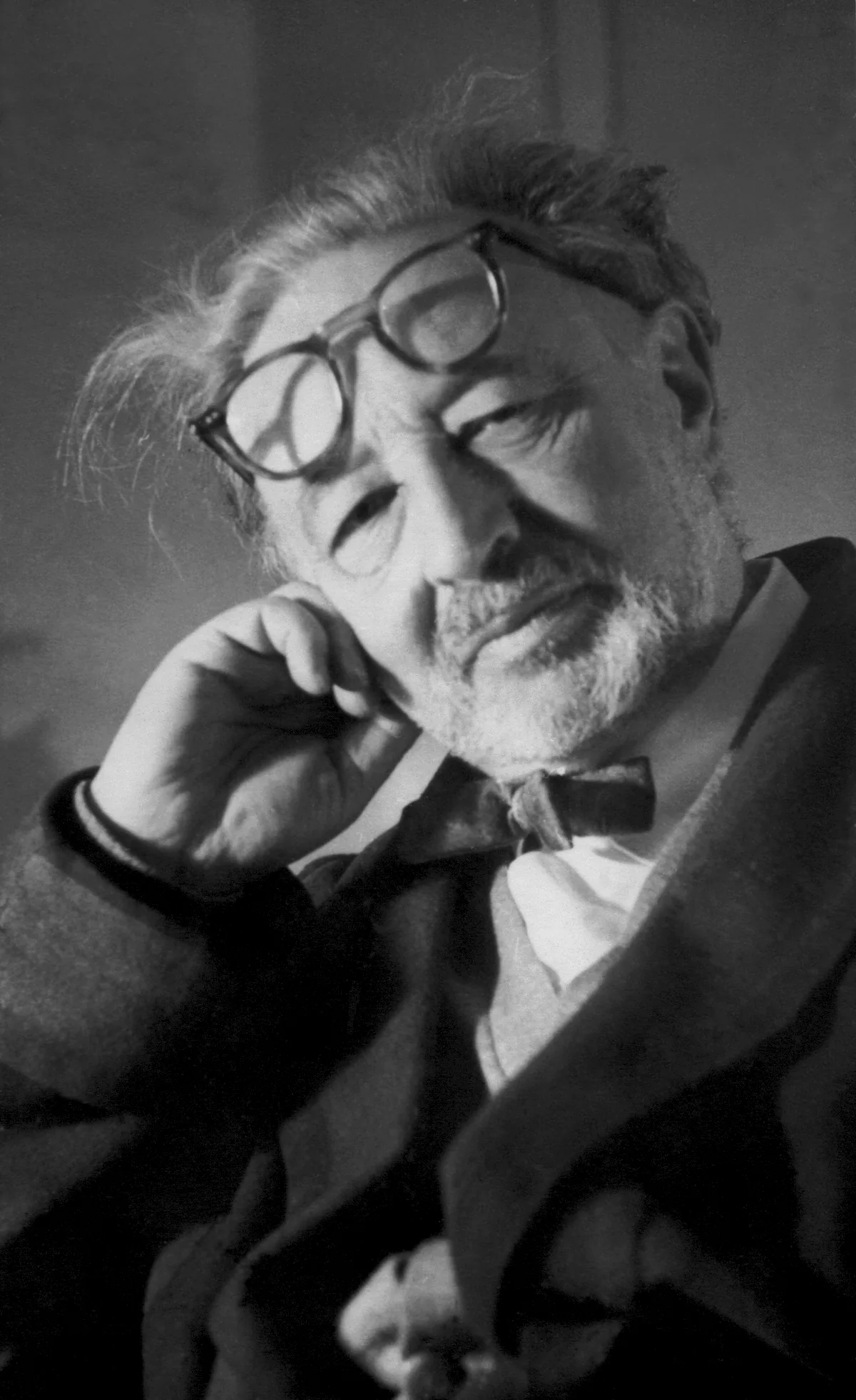
THE CRITIC WHO
DEMANDED BETTER
Born in 1898, Josef Ganz was an engineer, inventor, and automotive journalist. In the 1920s, most automobiles were heavy, costly, and beyond the reach of much of the population. Ganz argued that a fundamentally different type of car was needed.
As editor-in-chief of the journal Motor-Kritik, he became known for sharp criticism of established manufacturers. He publicly advocated a lightweight, affordable car for the masses — what he described as a true "Volkswagen."
THE FORGOTTEN PIONEER
OF THE PEOPLE'S CAR
Josef Ganz was among the earliest engineers to advocate and develop technical concepts for an affordable, lightweight "people's car." His work in the early 1930s was cut short when the political climate in Germany turned against him.
Shortly after the 1933 Berlin Motor Show, he was arrested by the Gestapo, lost his position at Motor-Kritik, and was forced out of the German automotive industry.
For decades his contributions remained largely overlooked. Today, archival documents and patents show that he played a significant role in shaping early small-car engineering ideas that influenced later developments.
- 1923 First sketches of a small, lightweight car
- 1931 The Maikäfer prototype proves the concept
- 1933 Arrested by the Gestapo
- 1934 Forced to flee Germany
- 1951 Emigrates to Australia
- 1965 West Germany moves to award him the Order of Merit
- 1967 Dies in obscurity in Australia
His Designs
From early experimental prototypes to later production vehicles, explore the cars Josef Ganz designed or helped bring into development.
Ardie-Ganz
1930The first proof-of-concept prototype, built at the Ardie motorcycle factory.
View DetailsMaikäfer
1931The 'May Bug' — built at Adler, it proved the Volkswagen concept could work.
View DetailsStandard Superior
1933The first production car based on Ganz's patents, marketed as the 'German Volkswagen'.
View DetailsStandard Merkur
1934A commercial vehicle variant based on the Standard Superior platform.
View DetailsBungartz Butz
1934A licensed design shown at the Berlin motor show, only a few were built.
View DetailsSwiss Volkswagen
1937Commissioned by the Swiss government — Ganz's vision for a neutral nation's people's car.
View DetailsJulien MM5 & MM7
1946Post-war collaboration in France, drawing on Ganz's Swiss Volkswagen experience.
View DetailsGanz: How I Lost My Beetle
This documentary explores the life of Josef Ganz through archival material, family perspectives, restoration projects, and historical locations from Berlin to Australia. Drawing on the research behind Paul Schilperoord's biography, it follows the search for surviving cars, visits sites connected to Ganz's life — including the Moabit prison where he was held and the Villa Solina of his uncle Alfred Ganz — and examines his work as an engineer and automotive critic. The film also documents museum and research encounters in Wolfsburg, offering a rare opportunity to see how Volkswagen historians responded to his story.
Watch the Trailer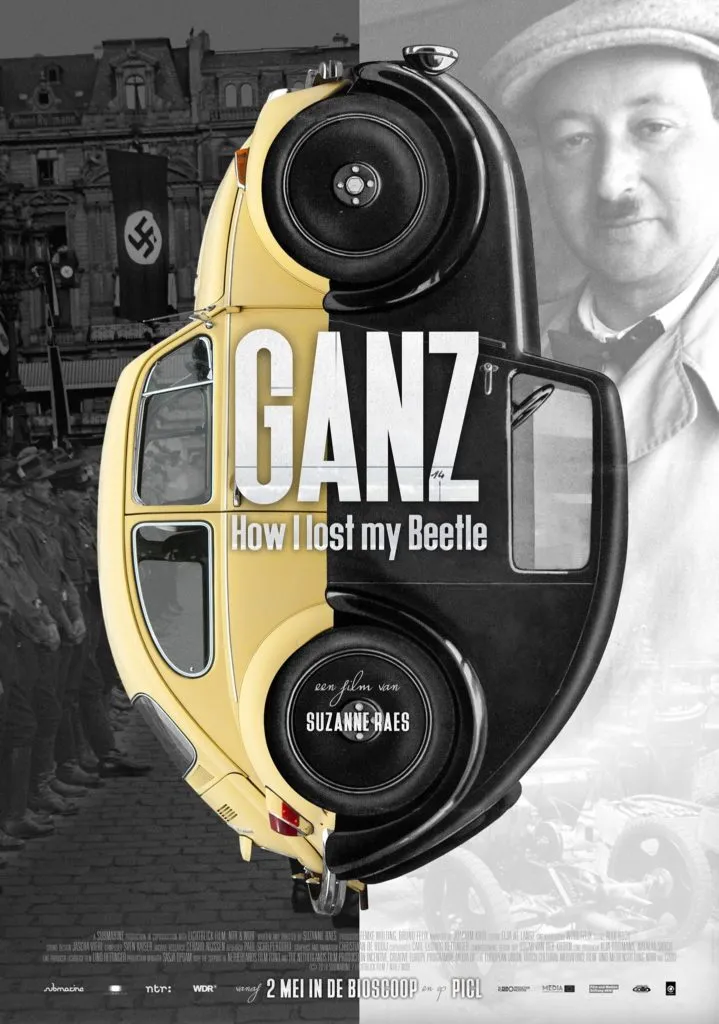
Latest News
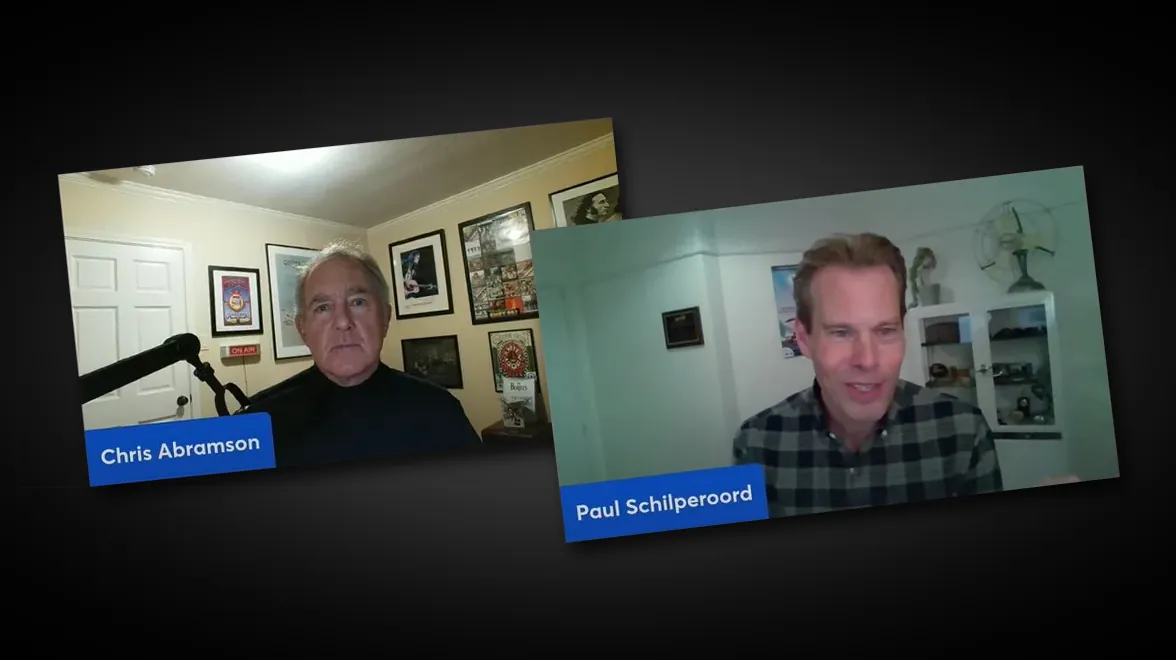
Podcast Note The Past about Josef Ganz
Read article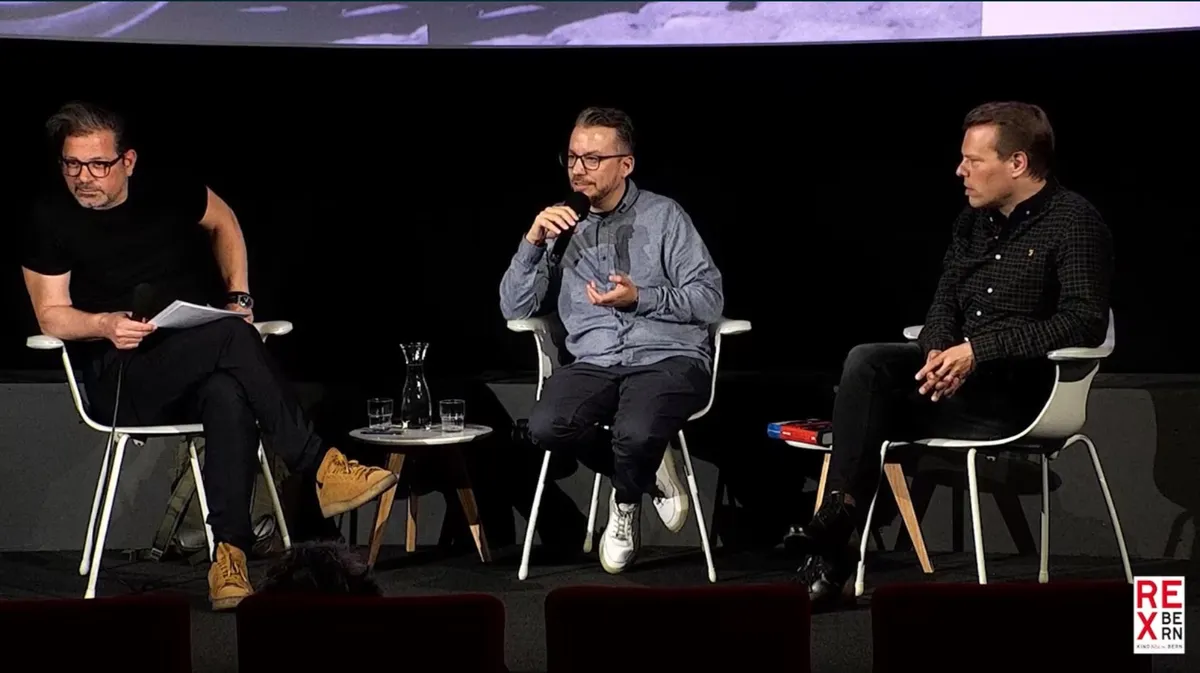
RexBern Screens “Ganz: How I Lost My Beetle”
Read article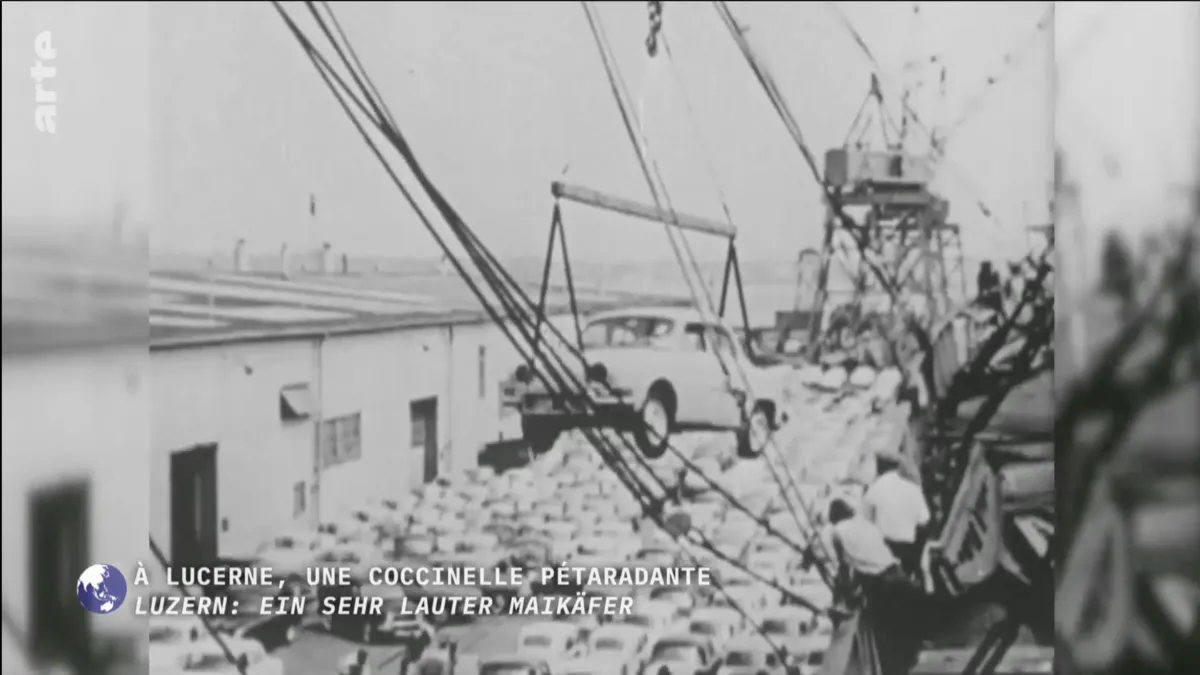
Josef Ganz on Arte
Read article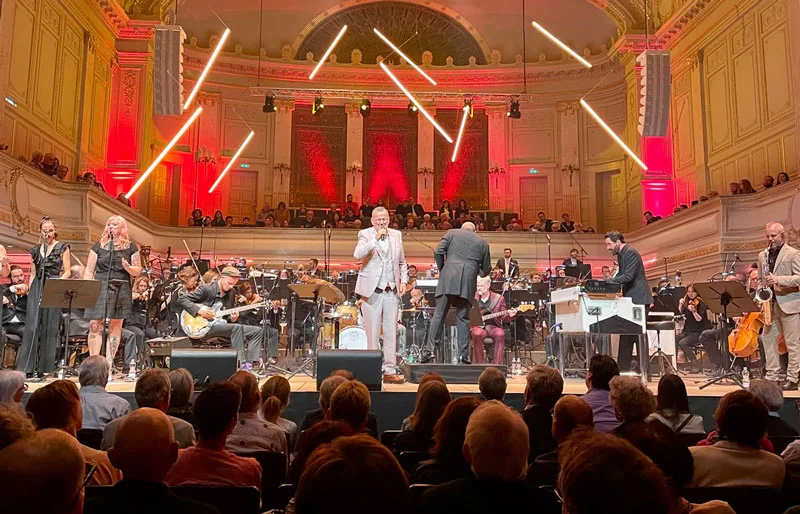
Interview with Sebastian Schwab and Philipp Fankhauser
Read article Concert in honor of Josef Ganz, by Philipp Fankhauser, Sebastian Schwab, Wayne Marshall and the Bern Symphony Orchestra
Read article
Beyer Talk about Josef Ganz
Read article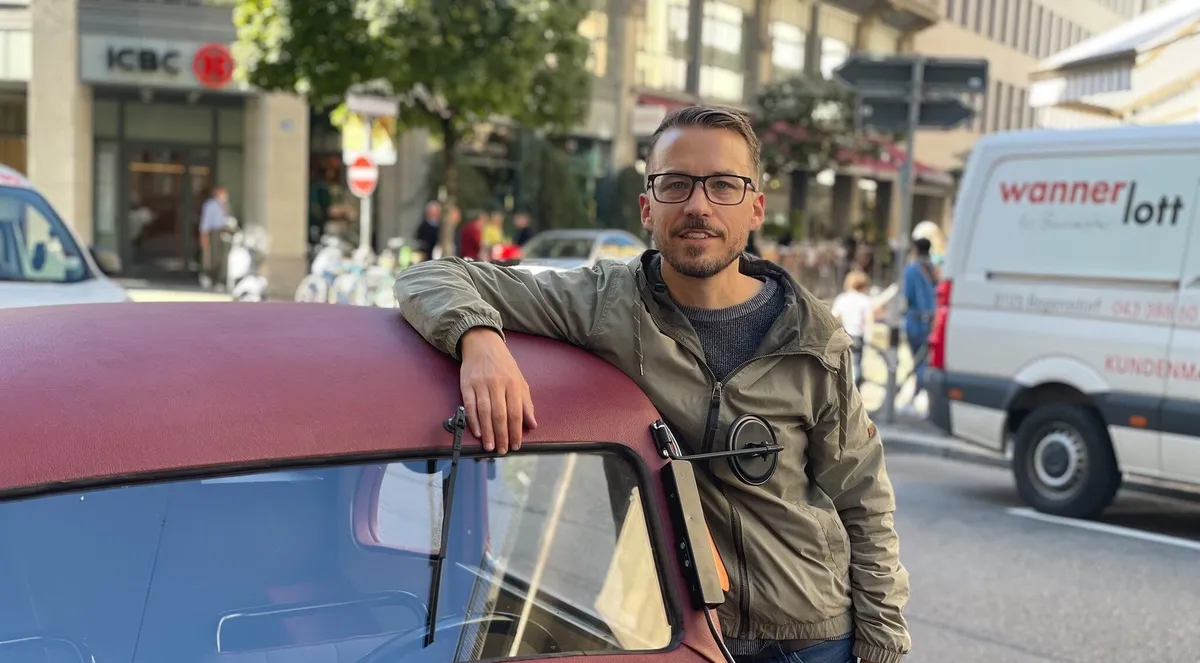
Road Trip from Lucerne to Zurich
Read article
Josef Ganz in Heidelberg: ARTORT021
Read article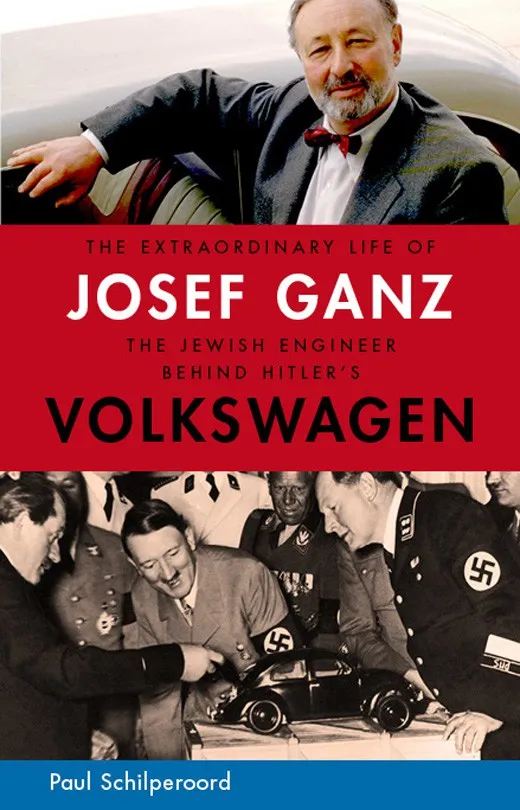
The Extraordinary Life of Josef Ganz
Paul Schilperoord's biography of Josef Ganz is based on extensive archival research and primary historical sources. Drawing on patents, court records, correspondence, and contemporary publications, the book traces Ganz's career as an engineer, editor of Motor-Kritik, and advocate of a lightweight "people's car."
It follows his experimental prototypes, his conflicts with established manufacturers, his arrest in 1933, and his later work in Switzerland and Australia. The study documents his technical ideas, professional network, and the historical circumstances that shaped his career. Available in English, German, Dutch, and Portuguese.
Same Road, 85 Years Apart
In 1936, Josef Ganz posed on the roof of his Standard Superior in Zurich. In 2021, Lorenz Schmid recreated that historic image by driving a restored Standard Superior from Lucerne to Zurich.


Backed by Evidence
The facts on this website are drawn from documented historical sources – above all Paul Schilperoord's English-language biography of Josef Ganz and the sources cited in it. These include patents, archival records, contemporary publications, and original documents. The estate of Josef Ganz, with hundreds of microfilms, documents, letters and photographs, was handed over to the Archiv für Zeitgeschichte (ETH Zurich) in 2025 for preservation and future public access.
- Years of Research
- 20+
- Research materials collected by Paul Schilperoord over more than twenty years.
- Citations
- 300+
- Sources cited in Schilperoord's biography, drawn from archives, newspapers, official records, and historical correspondence.
- Patents
- 30+
- Documented patent filings attributed to Josef Ganz and recorded in historical patent registers.
A Legacy Rediscovered
Forced to leave Germany, Josef Ganz later settled in Australia, where he spent his remaining years largely outside public attention. He died in 1967, as the Volkswagen Beetle went on to become one of the world's most widely produced cars. Today, archival research, including the work of historian Paul Schilperoord, has renewed interest in Ganz's life and contributions.