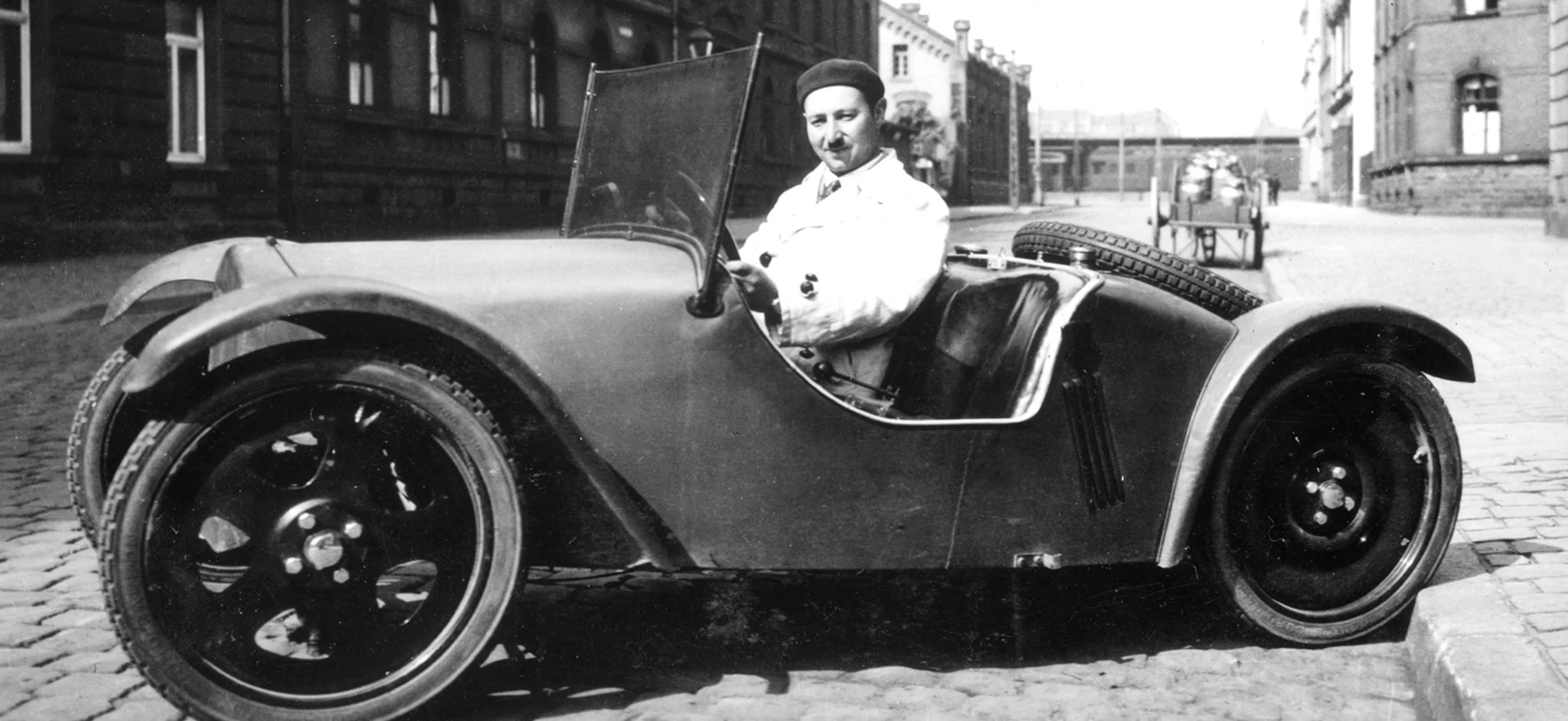
The Czechoslovak car maker Tatra and its chief engineer Hans Ledwinka run through Josef Ganz's life like a thread: as an inspiration, as a rival in court for eight years, and finally as the opponent of Volkswagen in a case in which Ganz was the key witness.
An inspiration: Ledwinka's backbone chassis
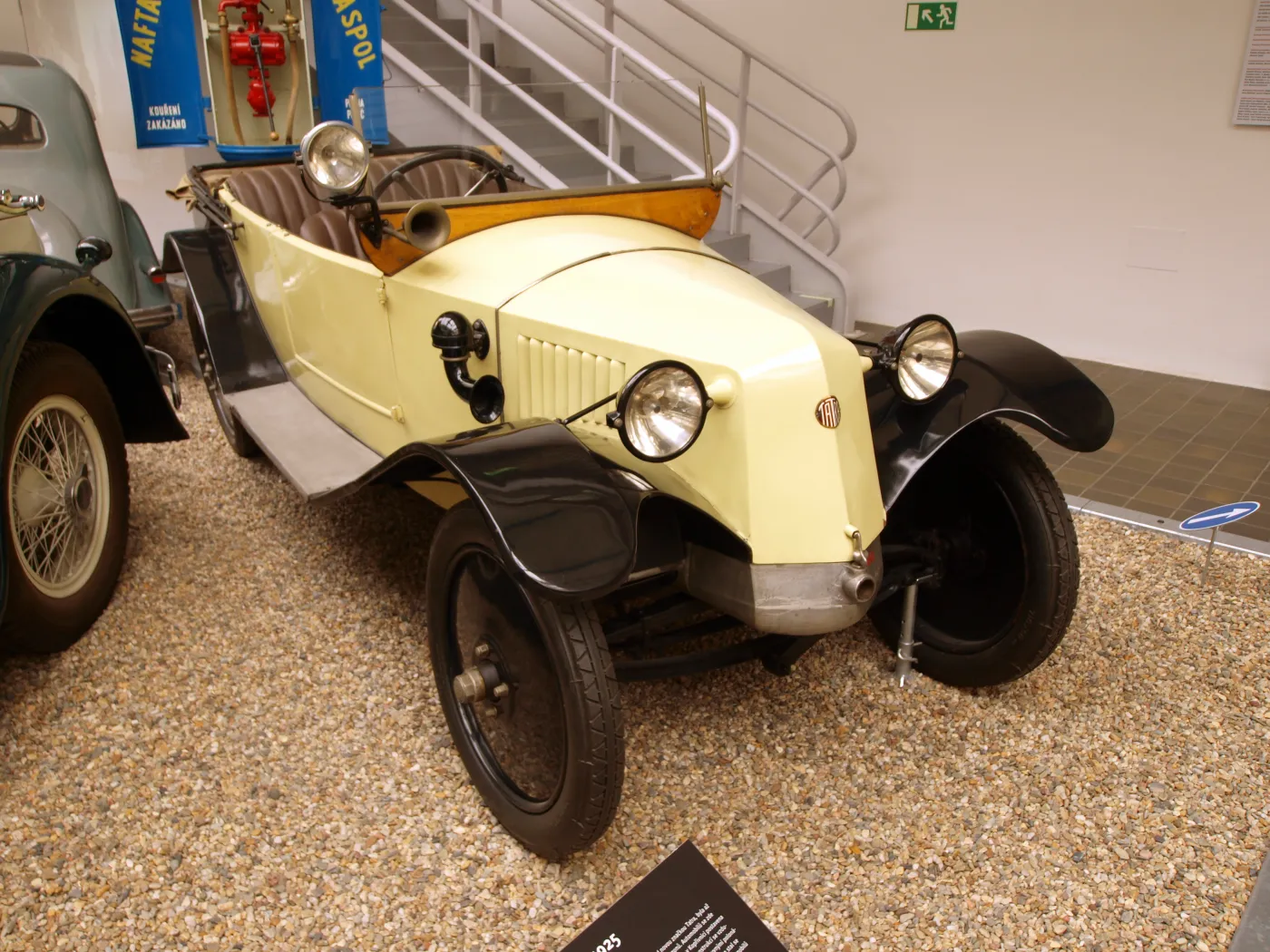
From 1923 the Tatra 11 by Hans Ledwinka was built with a central tube chassis and swing axles – a radical departure from the conventional ladder frame. Ganz knew this design from the driver's seat: in the 1920s he drove, among other cars, a Tatra with swing axles, and in 1933 he still travelled to events in his own Tatra. In 1929 he patented a chassis that joined a front frame to a rear central tube (DE 528 643) and called tube chassis "known" in the patent text itself. His contribution was not the tube as such, but the combination of central tube, independent suspension and a compact drive block behind the passengers in a light, affordable car – first in the Maikäfer of 1931, then in the Standard Superior.
A rival: Tatra against Ganz, 1933–1941
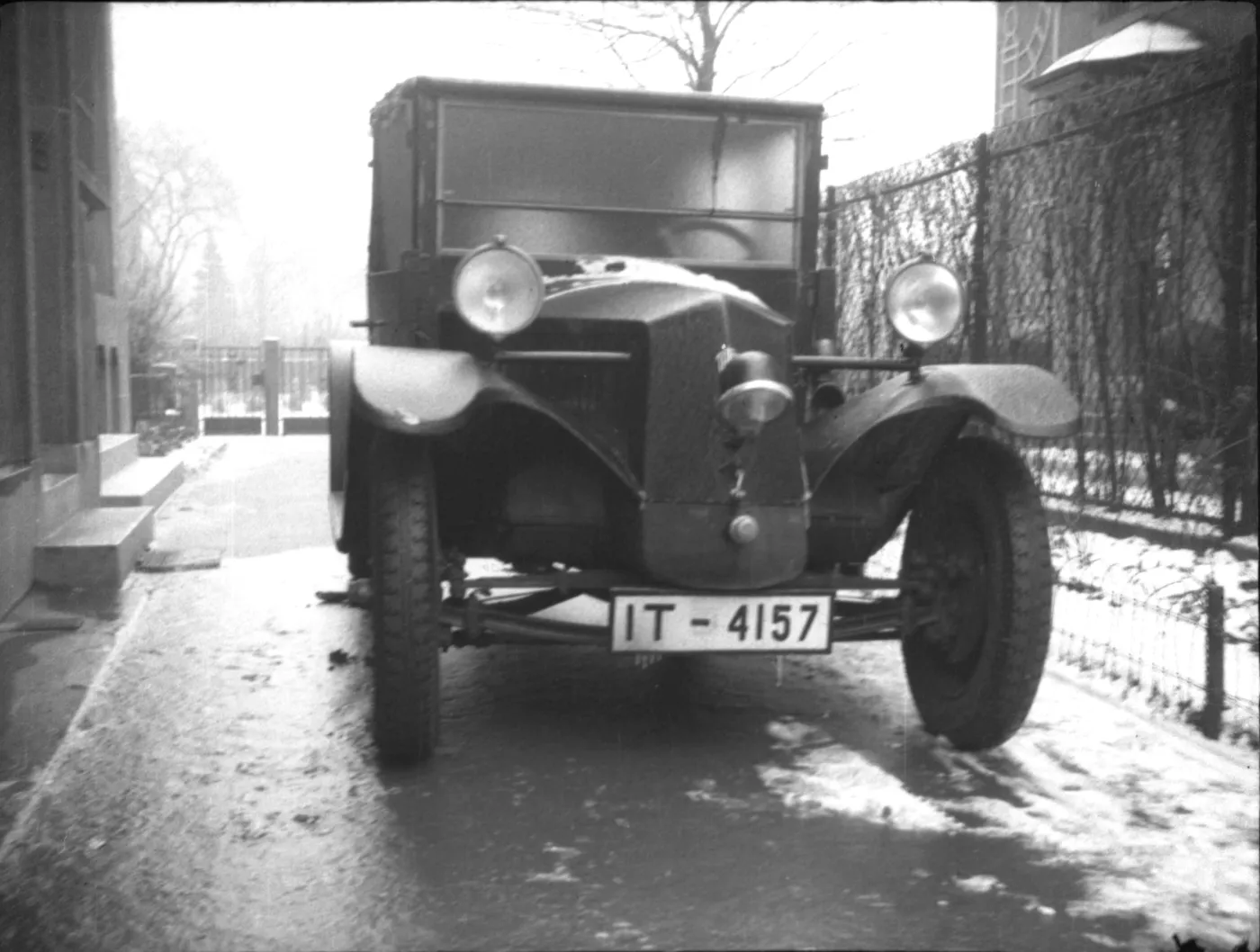
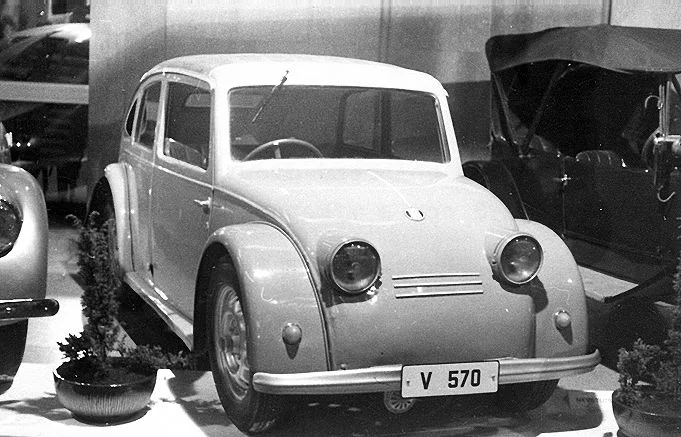
In 1933 Tatra developed its own small rear-engined prototype, the V570, which closely resembled the Standard Superior. At the same time Tatra's representative Paul Ehrhardt began to claim rights to cars with a central tube chassis, swing axles and a rear engine. In December 1933 Tatra accused Ganz of infringing its patent DRP 549 602 with his patent DRP 587 409 for a drive block. The claim was rejected by the Patent Office in Berlin in March 1934 and on appeal in May 1934.
A second complaint, based on Tatra's patent DRP 469 644, dragged on for years. Fearing "an unfavourable verdict", Standard ended production of the Superior in May 1935. In June 1941 the court in Berlin finally decided in favour of the emigrant Josef Ganz, and Tatra was ordered to pay him more than 4,000 Reichsmarks. Read more on the Standard Superior page.
The Tatra 77 at the 1934 Berlin motor show
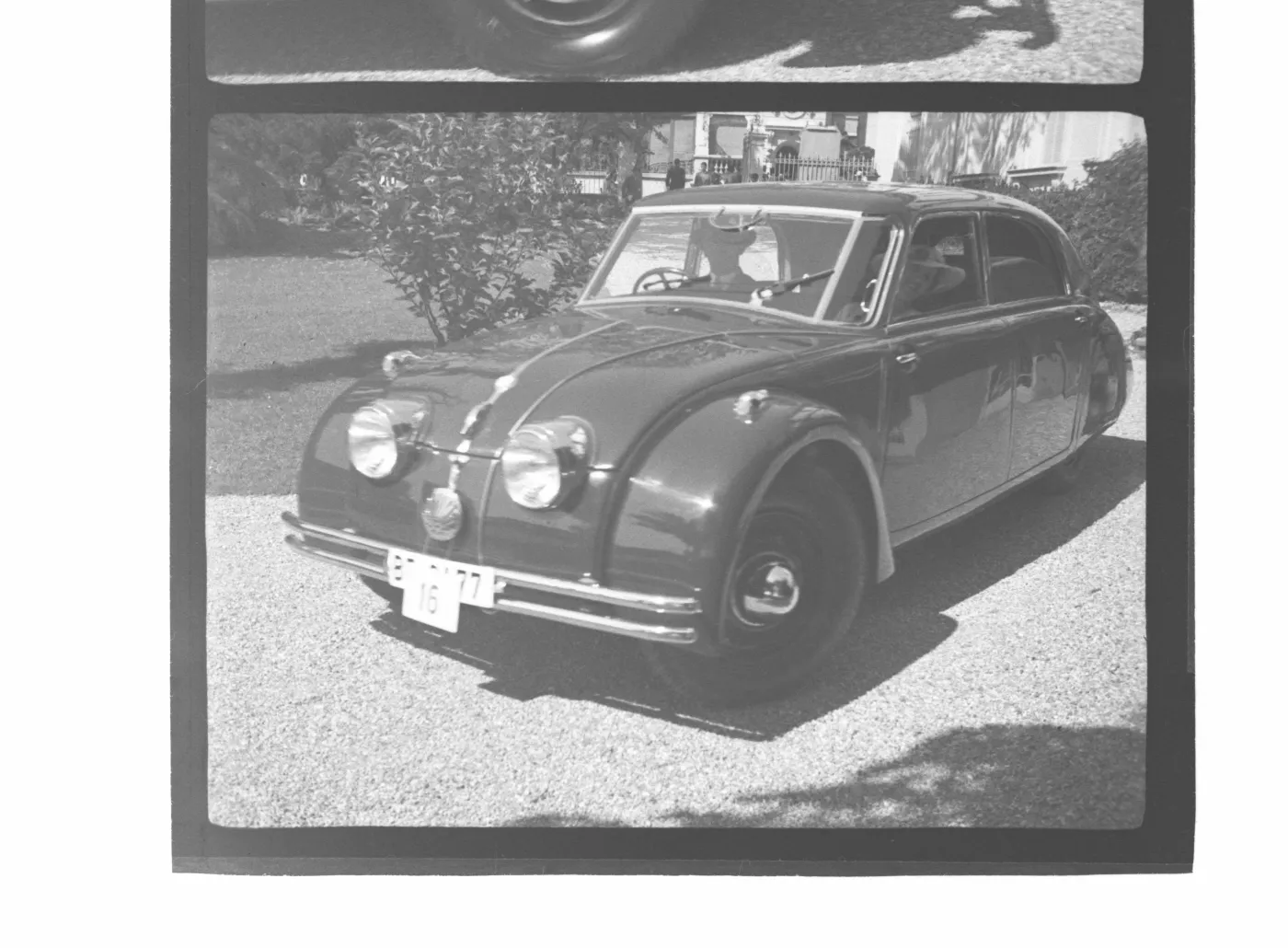
At the motor show in March 1934 Tatra presented the streamlined Tatra 77 with an air-cooled V8 engine at the rear. Hitler, an admirer of Tatra, asked Ledwinka to explain the car to him that evening at the Hotel Kaiserhof. Ganz congratulated Ledwinka at the stand – and then read in the Tatra brochure that Tatra claimed to have been the first to bring the streamlined rear-engined car. In Motor-Kritik he answered:
„Der Prospekt der Tatra-Werke spricht davon, dass es diesen vorbehalten war, den Wagen der Zukunft, den Stromlinienwagen mit Heckmotor, zu bringen. Dazu war allerdings nötig, die deutschen Vorläufer totzuschweigen. Totkriegen lassen sie sich nämlich nicht.“
("The Tatra works' brochure says that it was reserved for them to bring the car of the future, the streamlined car with a rear engine. To do so, however, it was necessary to keep quiet about the German forerunners. For they cannot be killed off.")
Tatra against Volkswagen: Ganz as the key witness
After the war Tatra sued Volkswagen for infringing about ten pre-war patents. In 1961 Ganz offered his help to Volkswagen's chief executive Heinrich Nordhoff: "You will certainly need a pilot on board in the Tatra case, familiar with all the reefs and currents." His patent studies went to Volkswagen's patent department, and in October 1961 the case turned in Volkswagen's favour. When illness prevented Ganz from travelling to Germany as a witness, Volkswagen settled with Tatra in August 1965 and bought a licence for one million marks for patent DE 636 633 – one of the patents Tatra had applied for in December 1932.
Sources
- Paul Schilperoord: Die wahre Geschichte des VW-Käfers. Huber, Frauenfeld 2011, pp. 176, 194, 203, 210–212, 266–267, 286–290 (English edition: The Extraordinary Life of Josef Ganz).
- Michael Graf Wolff Metternich: "Der streitbare Geist Josef Ganz". Automobil Revue no. 41, 4 October 1990, p. 69.
- Christof Vieweg: Die Akte Volkswagen. GeraMond, Munich 2014, p. 58.
- Patents DE 528 643 (Josef Ganz, priority 18 June 1929) and DE 636 633 (Tatra-Werke AG, priority 18 December 1932).